What Is a Singing Bowl?
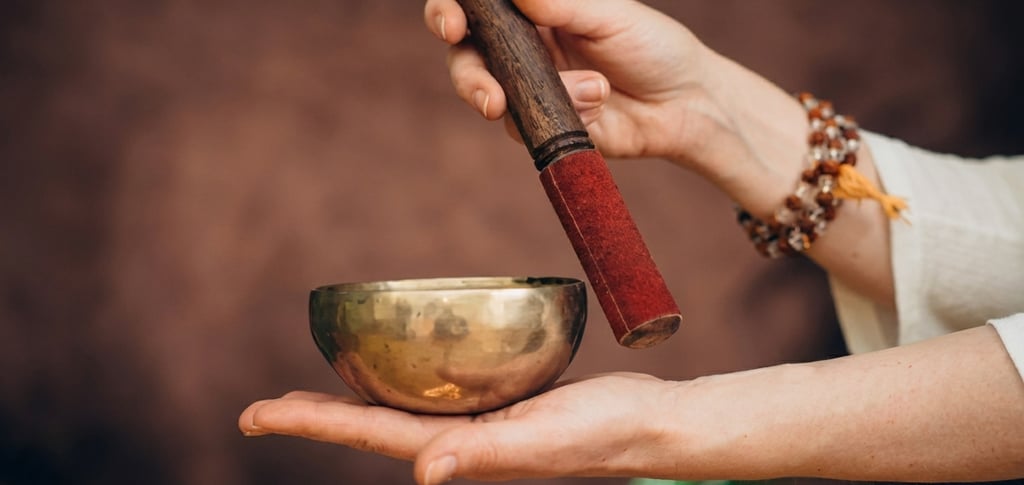
A singing bowl is a type of standing bell — it sits with its opening facing upward rather than hanging downward like a traditional bell. When struck with a mallet or played by rubbing the rim, the bowl produces a sustained, harmonic tone that resonates for several seconds. These tones are multi-layered, containing a fundamental note alongside several overtones that create that signature 'singing' quality.
Singing bowls have been used for centuries across Himalayan cultures — primarily in Tibet, Nepal, Bhutan, and India — for meditation, ceremonial rituals, and healing practices.
How Do Singing Bowls Produce Sound?
When you strike or rub a singing bowl, you cause the walls and rim of the bowl to vibrate. These vibrations push against the air inside and around the bowl, creating sound waves. Because the bowl has a specific shape and thickness, it resonates at particular frequencies — the specific note or notes it produces.
Rubbing the mallet around the rim in a circular motion keeps the vibration going continuously, which is why the bowl appears to 'sing.' The friction from the mallet transfers energy into the bowl, sustaining its resonance.
Types of Singing Bowls
Not all singing bowls are the same. Here are the most common types:
Tibetan Singing Bowls: Handcrafted from an alloy of multiple metals (traditionally seven metals corresponding to celestial bodies). These are considered the most spiritually potent and produce rich, complex overtones.
Crystal or Quartz Singing Bowls: Made from crushed quartz crystal, these bowls produce pure, clear tones and are popular in modern sound healing and chakra work.
Antique vs. New Bowls: Antique bowls (over 100 years old) are prized for their complex sound profiles, while modern handmade bowls offer consistency and affordability.
Who Uses Singing Bowls?
What is a singing bowl used for?
Singing bowls are used for meditation, stress reduction, sound healing, chakra balancing, yoga classes, and sleep improvement. They are also used in ceremonial and spiritual practices across Buddhist and Hindu traditions.
Are singing bowls from Tibet or Nepal?
Both. Historically, singing bowls were crafted by artisans across the Himalayan region, including Tibet, Nepal, and northern India. Today, Nepal — particularly Kathmandu — is the largest center for handcrafted singing bowl production.
Do singing bowls really work?
Research in sound therapy suggests that the vibrations and tones of singing bowls can reduce stress hormones, slow brainwave activity, and promote relaxation responses. While more clinical trials are needed, millions of users report meaningful benefits.
Frequently Asked Questions
Singing bowls are used by a remarkably diverse community: Buddhist monks and meditation teachers, yoga and mindfulness instructors, sound healers and music therapists, reiki practitioners, and everyday individuals seeking stress relief and better sleep. The global wellness industry has embraced singing bowls as versatile tools that bridge ancient wisdom and modern science.